
Aquaculture
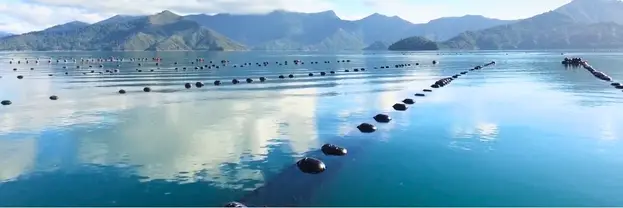
Staff research often examines the interactions between aquaculture and natural ecosystems, with particular attention to biosecurity, disease dynamics, and parasite management. This supports the development of systems that maintain healthy farmed populations while minimising impacts on surrounding environments. Work in animal physiology and nutrition contributes to improved feeding strategies and lifecycle management, helping optimise growth, welfare, and production efficiency for commercially important species.
This research is closely connected to industry, ensuring it remains practical, current, and relevant. It is also integrated into teaching through the use of real-world data, case studies, and hands-on, industry-linked projects, enabling students to develop practical skills and experience while preparing them for careers or further study in the aquaculture sector.
For more information:
Key areas of focus include aquatic ecology, animal health and physiology, nutrition, and the development of innovative and environmentally responsible farming practices.
Research staff in Aquaculture
-

Dr Anja Studer Aquaculture Tutor
Anja Studer’s research background is in ecology and epidemiology, with a focus on parasite ecology in marine ecosystems. Her current interests lie in aquatic ecology, particularly the overlap between aquaculture and conservation, including biosecurity, animal health, and welfare.
Anja uses her research directly in teaching by incorporating real projects and data into her research and statistics courses. These provide strong examples of well-designed studies and student dissertation work, helping learners develop practical and analytical skills. Her involvement in student research projects also strengthens collaboration with external organisations and supports high-quality outcomes that prepare ākonga (students) for future academic and work in the profession.
-

Dr Mark Burdass Aquaculture Programme Coordinator and Tutor
Mark Burdass’s research focuses on lifecycle manipulation to improve aquaculture performance and animal welfare. His work centres on feeding systems and feeds that enhance growth and wellbeing, particularly for salmon and trout farmed in New Zealand.
This research is highly applied and closely linked to industry partners, which benefits teaching by keeping content current and relevant. Ākonga (students) are sometimes directly involved in industry-linked research activities, gaining practical experience. His work ensures teaching reflects developments in aquaculture production and strengthens connections between study and professional practice.
-
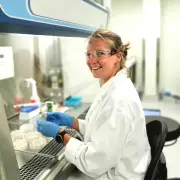
Shenae Wales Aquaculture Tutor
Shenae Wales’s research focuses on New Zealand sea cucumbers as a high-value and promising species for aquaculture, particularly in polyculture systems where multiple species are grown together. Her work explores how sea cucumbers can improve farm productivity while also helping clean the seabed and enhance surrounding ecosystems by reducing waste and supporting water quality.
This research will support teaching and the profession by providing real-world examples of sustainable aquaculture systems, particularly Integrated Multi-Trophic Aquaculture (IMTA). The findings and data can be used across multiple courses to help ākonga (students) understand practical, environmentally sustainable farming approaches. It also highlights opportunities for improving the sustainability of New Zealand’s aquaculture industry.
-
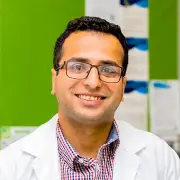
Dr Sobhan Akhavan Aquaculture Tutor
Sobhan Akhavan’s research focuses on fish physiology, aquatic animal health, and fish nutrition. His current work includes finalising a master’s research project expected to produce two publications, collaborating with the Biomar feed company on a feed trial, and supervising postgraduate research.
Sobhan integrates this research into teaching by involving ākonga (students) in industry-related projects, such as feed trials within degree courses. This provides hands-on experience and prepares ākonga for their own research projects. His strong industry partnerships enhance curriculum relevance, support programme resources, and create pathways between study and the aquaculture sector.