
Arts and Media
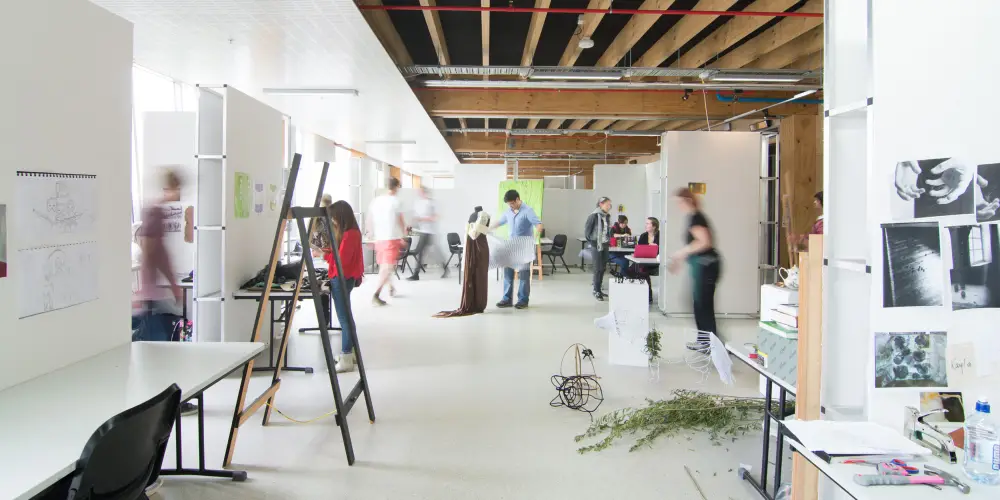
Staff are actively engaged in projects that connect art with real-world contexts, including initiatives like the Post Memory project, which combines augmented reality and physical installations to create interactive heritage trails that make historical narratives accessible in contemporary public spaces. Other work spans documentary and illustrative photography, multimedia installations, experimental design, and immersive technologies such as projection mapping, often contributing to public exhibitions, festivals, and collaborative research with communities and external partners.
This research is embedded directly into teaching through real-live projects, exhibitions, and industry collaborations, giving students hands-on experience in creative processes, storytelling, and emerging technologies while preparing them for professional practice in the arts and media sectors.
For more information:
Bachelor of Arts and Media | Nelson Marlborough Institute of Technology (NMIT)(external link)
Research staff in Arts and Media
Sarah Arnold
Sarah Arnold’s research focuses on memory, heritage, and storytelling, particularly how personal and collective histories are preserved and experienced. Her Post Memory project uses augmented reality and physical installations to create immersive heritage trails, bringing historical narratives into present-day public spaces through digital technology and creative design.
This project provides valuable real-world learning opportunities for students in IT and creative technologies, involving them in app development, digital storytelling, and installation design. By collaborating with graduates, industry partners, and community organisations, Sarah connects teaching with practical experience and job-ready skills. The project also strengthens ties with local communities and heritage groups, showing how research can support cultural preservation and tourism.
Read more about Post Memory project(external link)
Stefan Hanspach
Stefan Hanspach’s research focuses on visual storytelling in public spaces, particularly through interpretation design that communicates local history and culture. His work combines traditional design with new technologies to engage diverse audiences, and he is currently involved in projects such as the Post Memory heritage initiative and interactive public artworks for events like the Nelson Light Festival.
Stefan uses these projects to give students hands-on experience with real-world design processes, from concept development to public installation. Through supervising student work for events like Te Ramaroa, he helps students engage with live industry projects and audiences. This approach strengthens their practical skills, builds professional confidence, and connects their learning directly to creative industries and community engagement.
-
Jess Shirley Arts and Design tutor
Jess Shirley is a photographer whose work focuses on illustrative, landscape, and creative photography, with an interest in work that is both visually compelling and conceptually engaging. She is particularly drawn to themes that juxtapose beauty and death, exploring ideas of impermanence and reflecting aspects of society. Her work includes drone photography and collaborative research projects, such as the DOT (Delivering Optimal Weight Gain) project with Otago University, where photography is used to document social and health-related issues.
Jess uses her research to support teaching by bringing real-world projects, professional practice, and award-based work into the classroom. This gives students insight into documentary photography, visual storytelling, ethics, and collaboration with clients and researchers. Her work connects strongly to industry through competitions (NZIPP IRIS Awards), research partnerships, and community engagement, helping students understand how photography operates in both professional and research contexts.
Jess Shirley | Nelson Marlborough Institute of Technology (NMIT)
Links to her Facebook and Instagram page:
-
Klaas Breukel Creative Industries Tutor
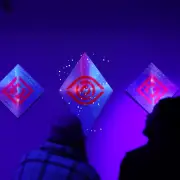
Klaas Breukel’s research centers on experimental visual communication, including light projections, graphic design, installation art, and emerging technologies such as video mapping and augmented reality. His practice involves creating concept designs for public exhibitions, producing graphic design work for clients, and collaborating on immersive installations that combine sound and visuals.
Klaas brings his creative practice into teaching by sharing his design processes, research methods, and project work with students. This helps students understand how creative ideas develop into real outcomes while encouraging experimentation and critical reflection. His work connects students to industry by exposing them to current design practices, collaborative projects, and innovative technologies used in contemporary creative fields.
Read more about his practice on Thisisthem
Klaas Breukel | Nelson Marlborough Institute of Technology (NMIT)
-
Mark Baskett Creative Technologies Tutor
Mark Baskett’s research explores multi-media visual art, combining digital imagery, text, objects, and sound to examine social history, identity, and place. His work investigates how art can represent real-world experiences, including themes such as community, migration, education, and national identity, often through large-scale or narrative-driven installations.
Mark’s ongoing art practice energises his teaching, allowing him to bring current creative work and critical inquiry directly into the classroom. By engaging with exhibition, publication, and research processes, he models professional artistic practice for students. His work also connects to industry and wider society through public exhibitions and cultural discussion, helping students see how art can contribute to understanding social and historical issues.
Some of his work:
https://www.mbaskett.ch/_current_works/_island_nation/island_nation_page_1.html
https://www.mbaskett.ch/_current_works/_itp_symposium/itp_symposium_page_1.html